Explore a curated collection of books and other resources Laney Bassham utilizes to inform her therapeutic approach, as well as for her own self care. These items are provided for educational value. Clients are under no obligation to purchase or utilize the provided links for purchase.
Be advised that Summer Tree Therapy is an Amazon Associate. This means if you click on a link and buy a product, we may earn a small commission at no extra cost to you.
Resource Hub
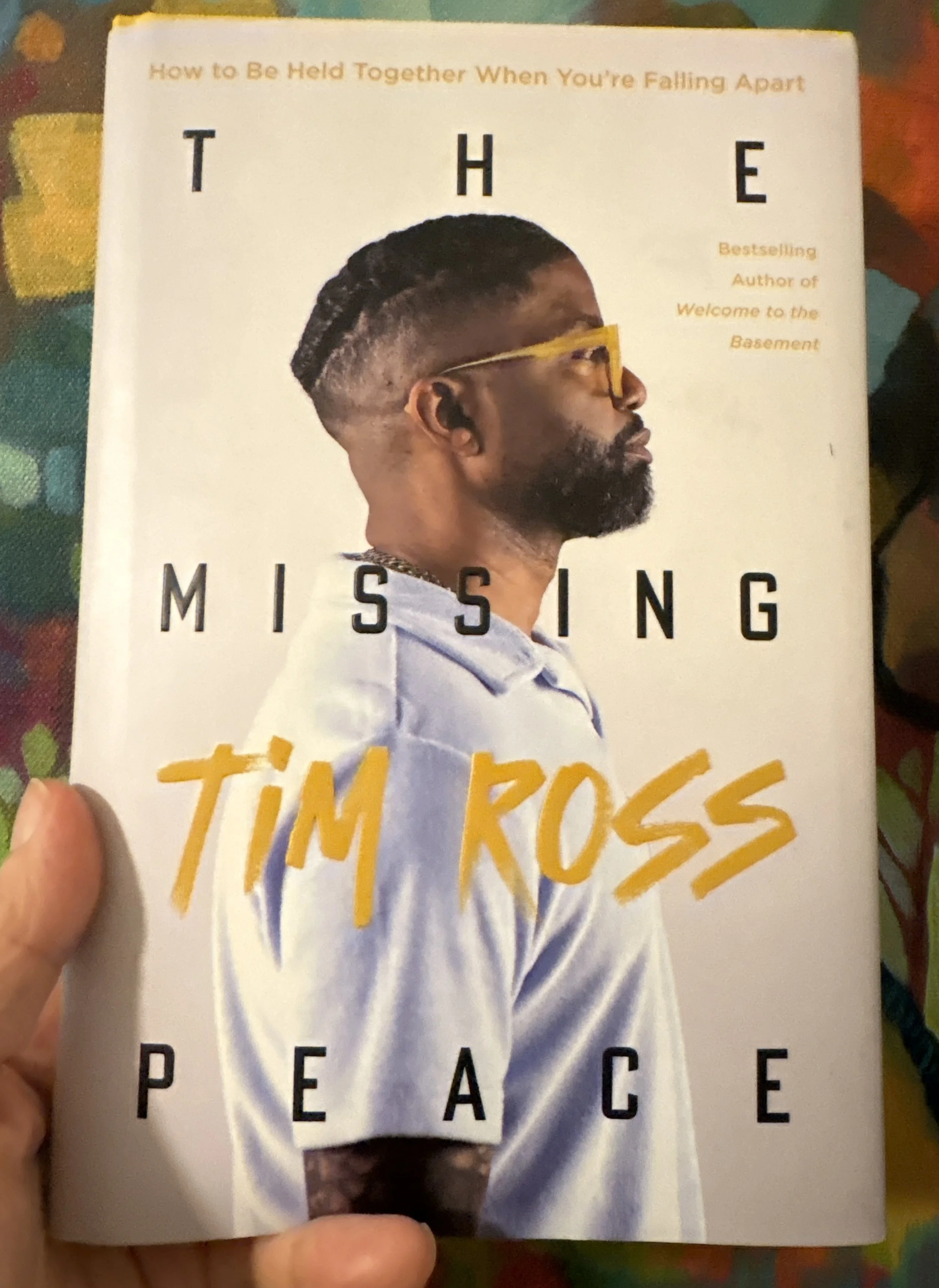
The Missing Peace: How To Be Held Together When You’re Falling Apart
by Tim RossWhy I Recommend It: Tim Ross blends raw, honest vulnerability with a powerful integration of faith and mental health, demonstrating how spiritual redemption and clinical healing work together to mend our deepest wounds. By demystifying trauma-informed therapy, he illustrates how tools like personal confession, healing community, and professional clinical support help us address the pain inflicted by the world and our own protective parts. It is an invaluable, accessible resource that bridges theology and neurobiology, beautifully normalizing the act of asking for and receiving help.
Best For: Christians who want to integrate their faith with trauma-informed therapy, and anyone looking for an approachable voice that removes the stigma around mental health care.
My Biggest Takeaway: True healing doesn't force a choice between faith and therapy; rather, combining spiritual community with clinical, trauma-informed care is how we fully mend our deepest wounds.
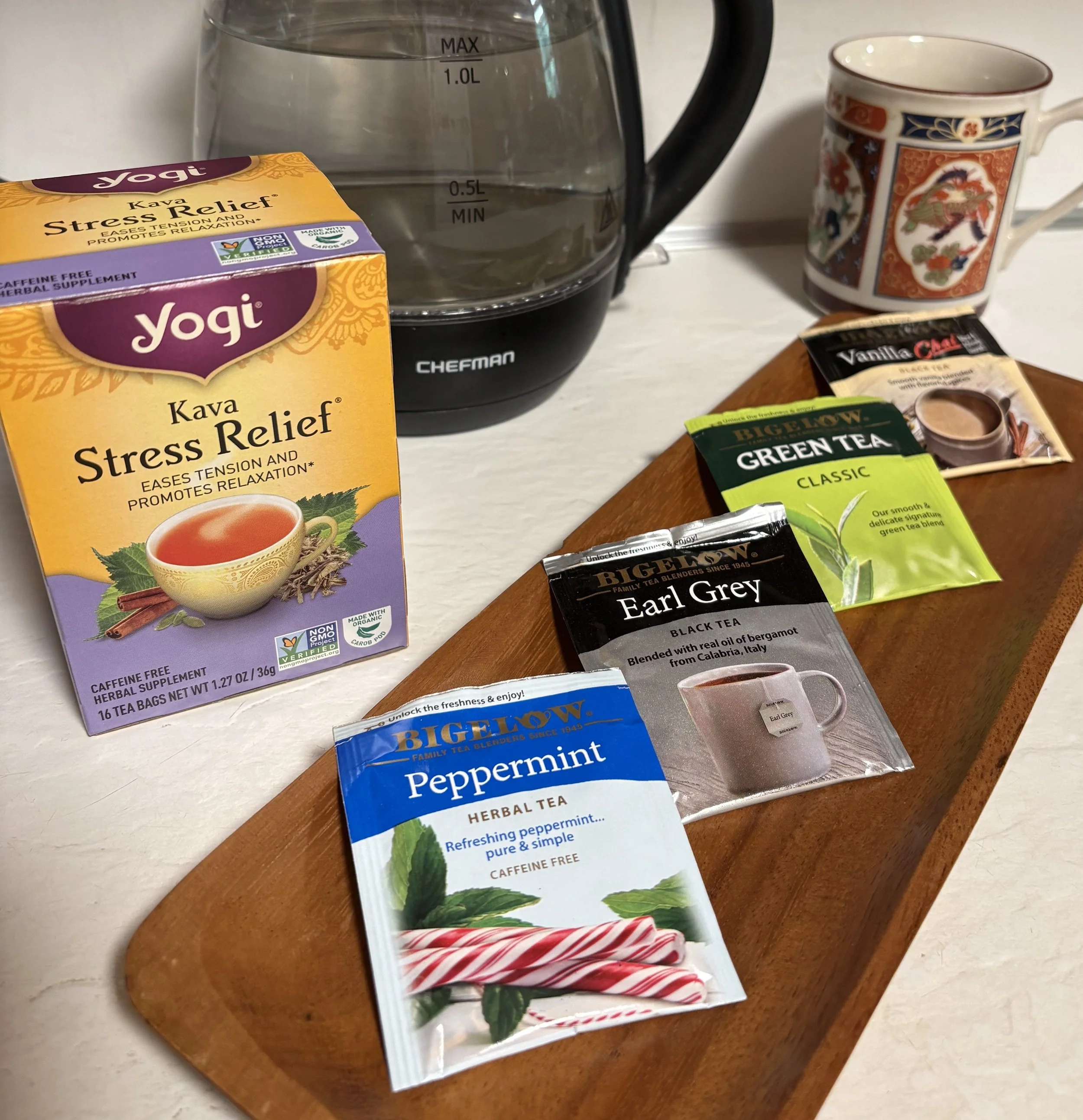
Cup o’ Tea? or Cup o’ Calm?
The Clinical Concept: A personal tea selection can serve as an example of sensory regulation and intentional pacing, pairing beautifully with distress tolerance skills and executive functioning frameworks, like building one’s own customized “Dopamine or Serotonin Menu."
Why I Share It: The physical ritual of selecting a flavor, feeling the warmth of the mug, and experiencing different smell & taste profiles provides an immediate sensory anchor to help ground or gently uplift.
The Neurotransmitter/Somatic Shift: Regulating the nervous system through intentional sensory choices—utilizing calming botanicals to aid serotonin & down-regulate cortisol; or mild, amino-acid-rich caffeinated options to gently boost focus and dopamine.
Curate your own Self Care Kit: Start to identify the smells, flavors, temperatures, textures and accompanying sensations that support your nervous system and personal regulation. Don’t know where to start? Explore through sampling, like the below Harney & Sons tea bag sampler bundle.
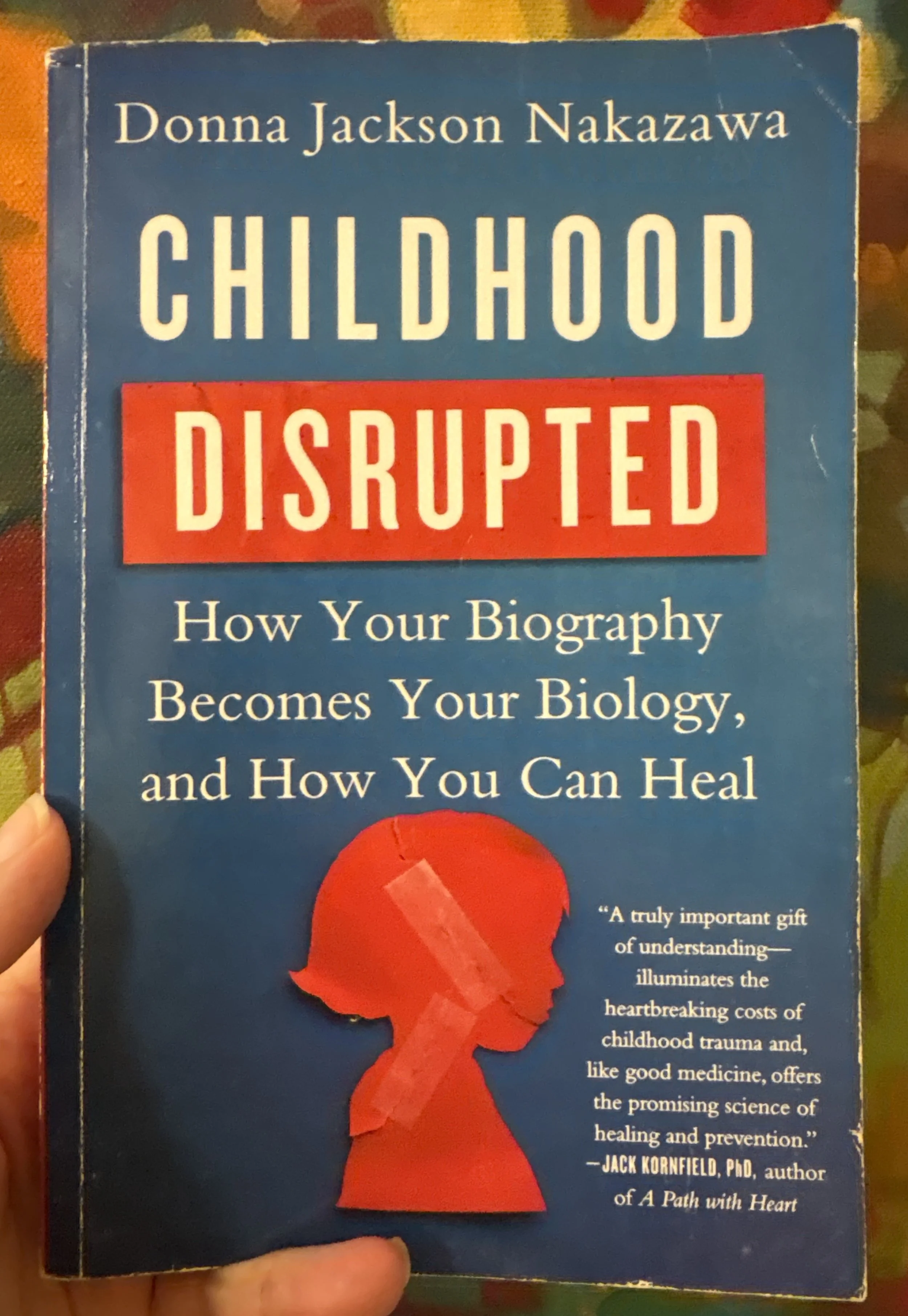
Childhood Disrupted: How Your Biography Becomes Your Biology & How You Can Heal
by Donna Jackson NakazawaWhy I Recommend It: This book masterfully unpacks the Adverse Childhood Experiences (ACE) study, showing how developmental trauma fundamentally alters adult health. The toll of growing up in chronic unpredictability can be a nervous system in a state of constant activation. This book provides awareness and actionable pathways to heal the mind, body, and relationships so you can begin breaking generational cycles.
Best For: Adults who want to understand how their past may be impacting their current health and well-being.
My Biggest Takeaway: It isn't just what happens to you that drives chronic stress, but the constant, unpredictable nature of an experience that kept you on edge—and how to now address that impact across your mind, body, and relationships.
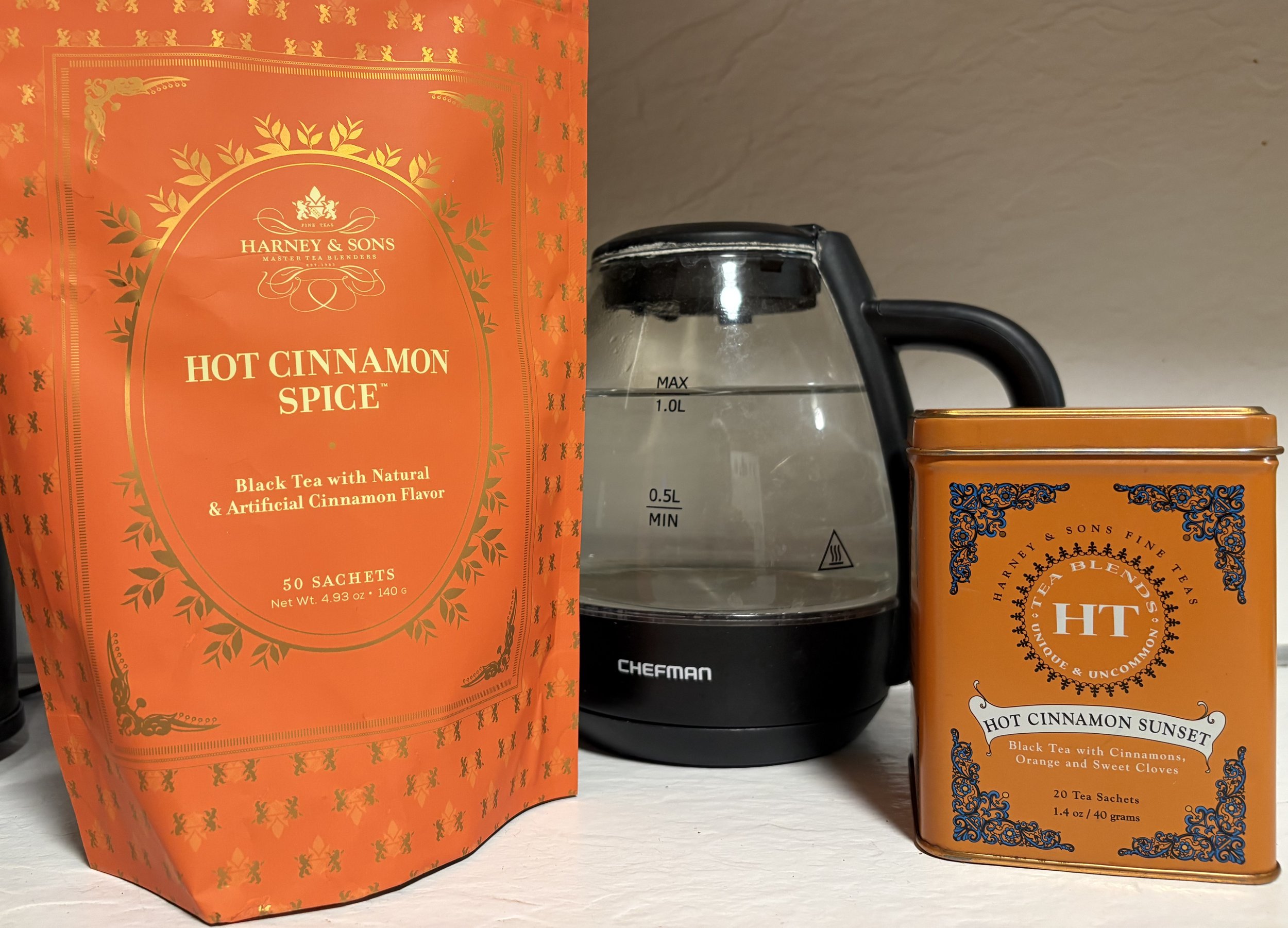
Laney’s Flavor F(l)av-orite
Laney’s Choice: The teas to the left were selected from blends I have identified over the years as my favorites for different times of day, year &/or nervous system state. These are reasonably accessible and personally affordability at this point in my life. You may find different preferences, brands and price points fit your needs and wants better at any given time.
Personal Favorite: Harney & Sons Hot Cinnamon Spice was 1st introduced to me by Jupiter House in Denton, TX. It has become my favorite beverage to start my day! The naturally bold sweetness of the three cinnamons combined with orange peel and clove provides a sharp, pleasant hit of sensory input that immediately interrupts mental fatigue and helps re-center my focus without needing added sugar.
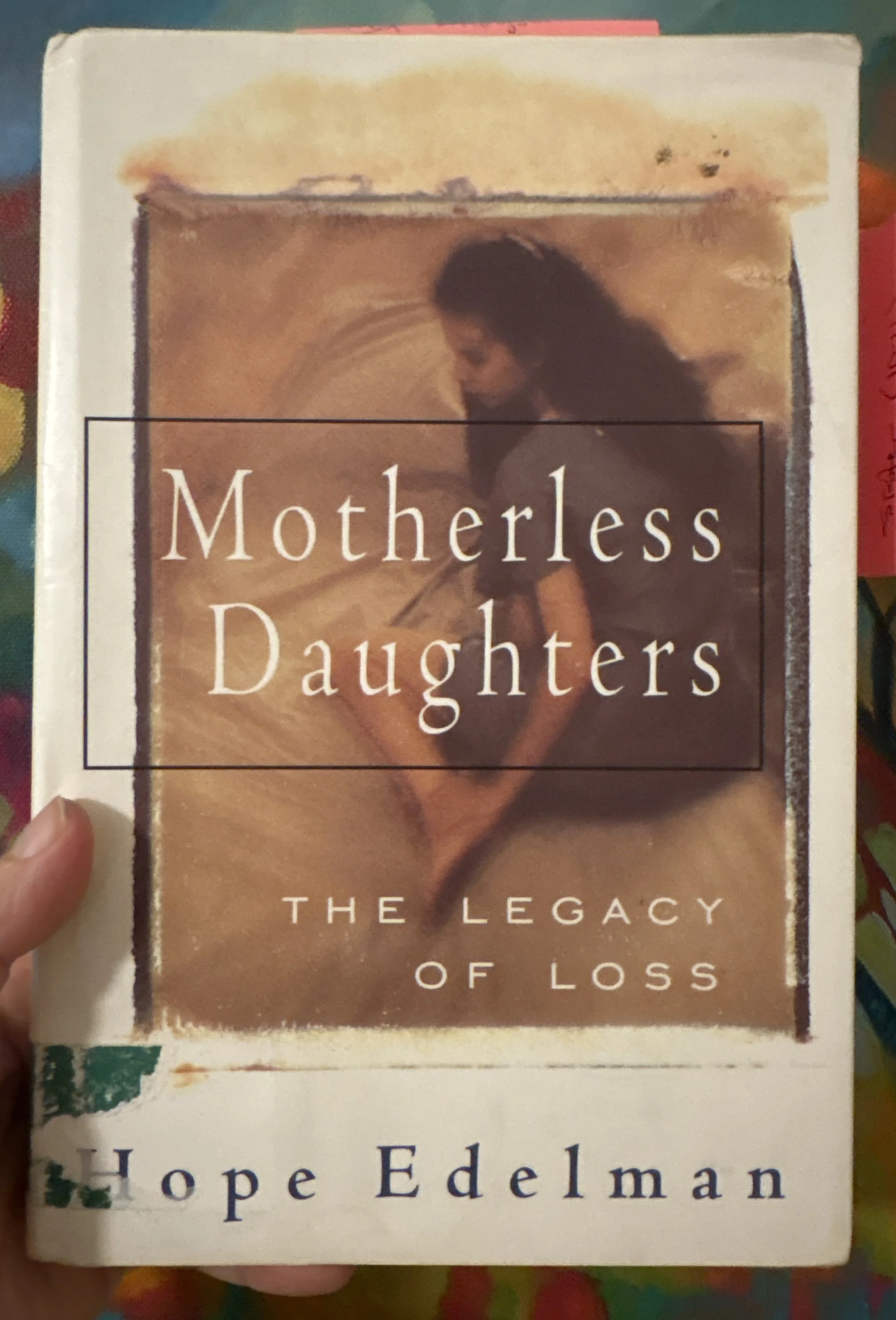
Motherless Daughters: The Legacy of Loss
by Hope EdelmanWhy I Recommend It: For any woman who lost her mother at a young age, this book moves beyond standard grief models to deeply validate the unique pain and ongoing effects common to navigating life following this profound loss. It offers a normalizing mirror, shifting the reader from feeling isolated or "othered" to feeling more understood and allowed to grieve more fully. (Note: A 4th edition is in the works).
Best For: Women who lost their mothers in childhood or early adulthood, as well as those seeking to support them.
My Biggest Takeaway: “I knew I wasn’t crazy! I just had a different life experience.” You are not broken or abnormal for how you are handling this loss even years later. You had a life-altering experience that many cannot understand. Validation of that reality can bring both permission and freedom to heal.
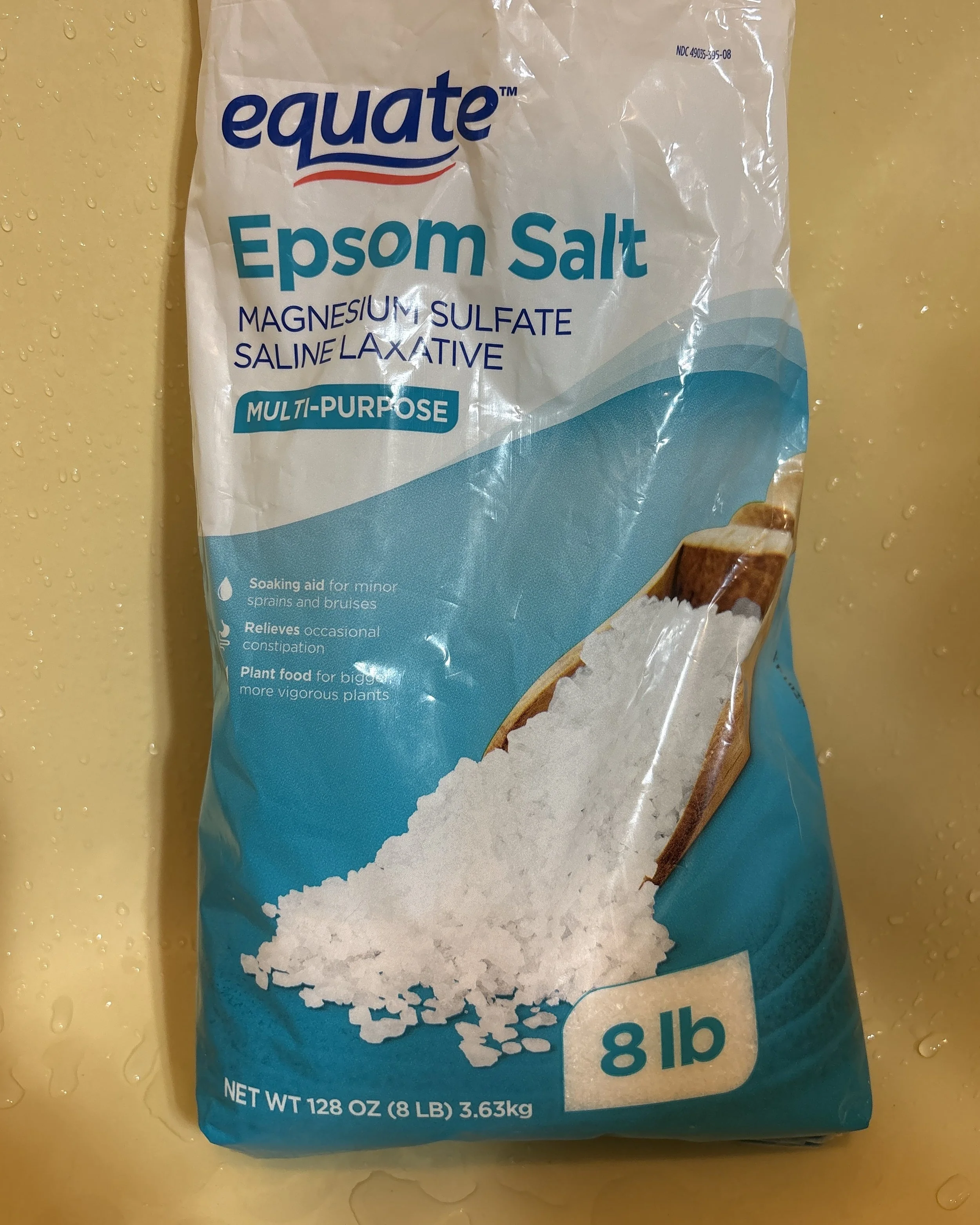
Hot Epsom Salt Soak
The Clinical Concept: Several of the listed books on this resource page discuss body-centered trauma-recovery principles as a critical component to system healing. Epsom salt soaks can serve as a low-cost, highly accessible sensory deprivation and myofascial release in your own home.
Why I Share It: While specialized somatic or bottom up modalities (e.g. trauma sensitive yoga, acupuncture, therapeutic massage, float therapy, etc.) are incredible, they can often be financially out of reach. An at-home epsom salt bath with low or turned-off lighting can be a budget-friendly sensory reduction practice to encourage core muscle relaxation and nervous system decompression.
The Neurotransmitter/Somatic Shift: Lowering physical stress markers and promoting muscle recovery via a low-stimulus environment and the soothing properties of a warm magnesium sulfate soak.
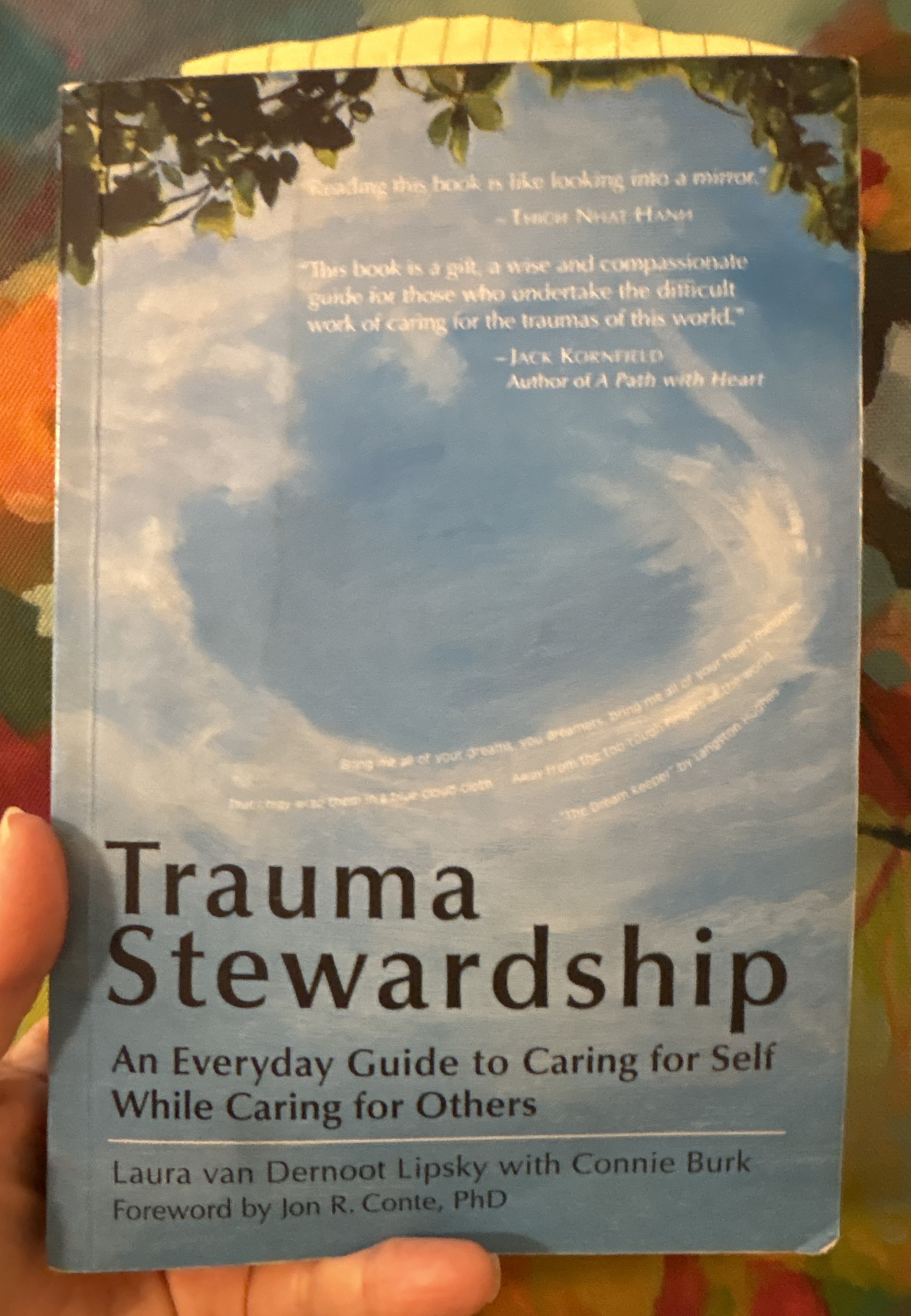
Trauma Stewardship: An Everyday Guide to Caring for Self While Caring for Others
by Laura van Dernoot Lipsky & Connie BurkWhy I Recommend It: Most professional training programs prepare you for the day-to-day duties of the job, but they rarely prepare your nervous system for the reality of secondary or vicarious trauma. This book provides a vital framework for recognizing the cumulative toll of caring and serving, offering practical strategies to prevent severe burnout while remaining present in high-stress fields. (Note: A highly anticipated, fully revised and updated edition is set to release on September 29, 2026).
Best For: Professionals in helping fields who are regularly exposed to the trauma of others in their daily work.
My Biggest Takeaway: Bearing witness to the pain of others inevitably impacts your own system, and learning how to intentionally navigate that vicarious trauma is a professional requirement if you want to protect your longevity and stay whole.
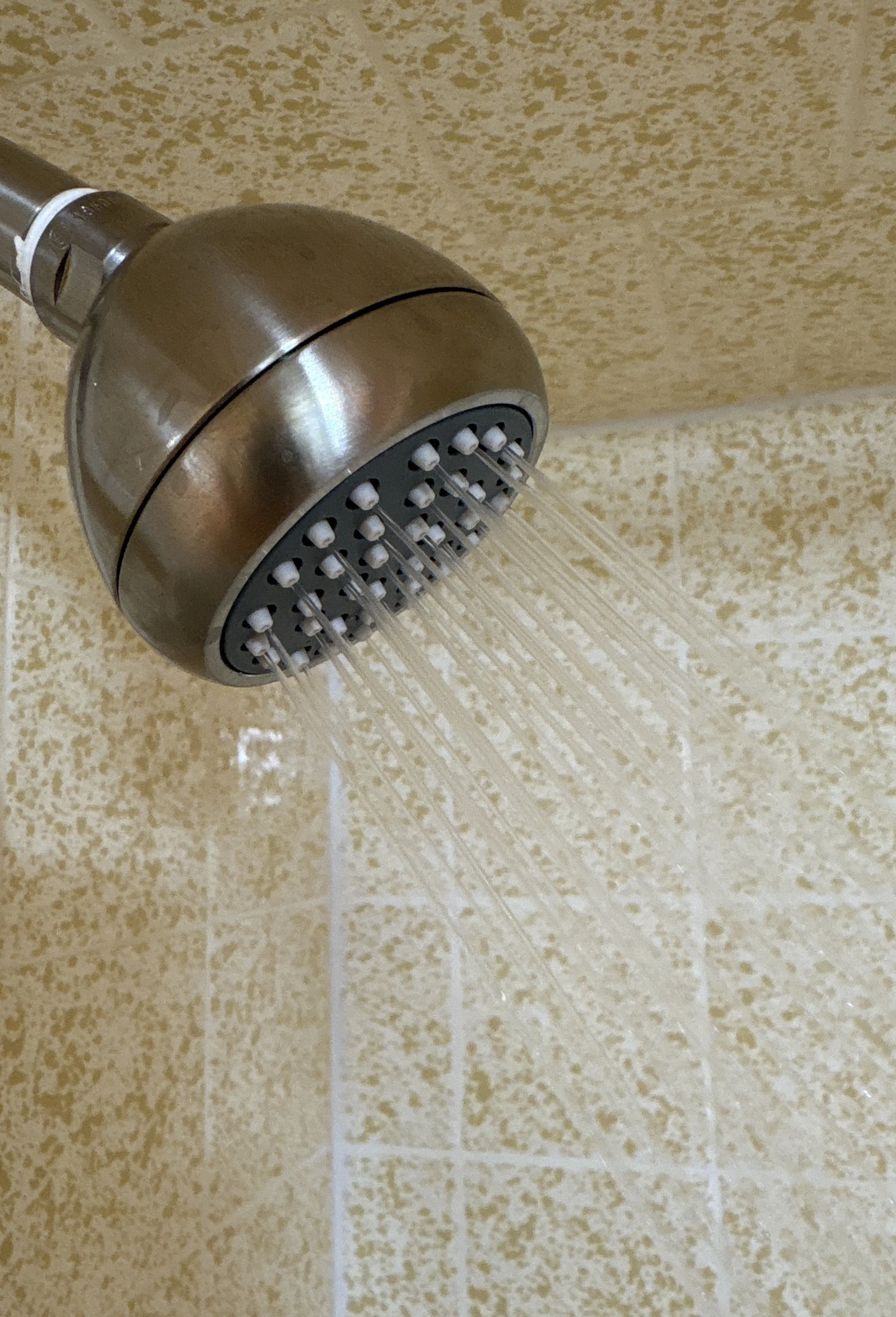
Structured Contrast Therapy
The Clinical Concept: Following a hot bath with a cold shower utilizes the principles of Contrast Therapy to actively train the autonomic nervous system's resilience.
Why I Share It: Somatic research shows that these two tools are most powerful when coupled: starting with a hot, mineral-rich Epsom soak to dilate blood vessels and relax muscles, followed immediately by a 30-60 second, cold shower rinse to constrict the system and stimulate the vagus nerve. This deliberate oscillation of hot, then cold physically "trains" the vagus nerve to bounce back from stress more efficiently.
Best For: Individuals seeking an accessible, budget-friendly way to practice somatic regulation, release deep-seated muscle bracing, and actively improve their physiological stress threshold.
A Note on Physical Safety & Boundaries: If you have a history of heart conditions, blood pressure fluctuations, are pregnant, or experience any medical vulnerabilities, please consult with your primary healthcare physician before attempting significant temperature shifts at home. Always listen to your body—somatic tracking is about safety and agency, never about forcing your body into physical distress.
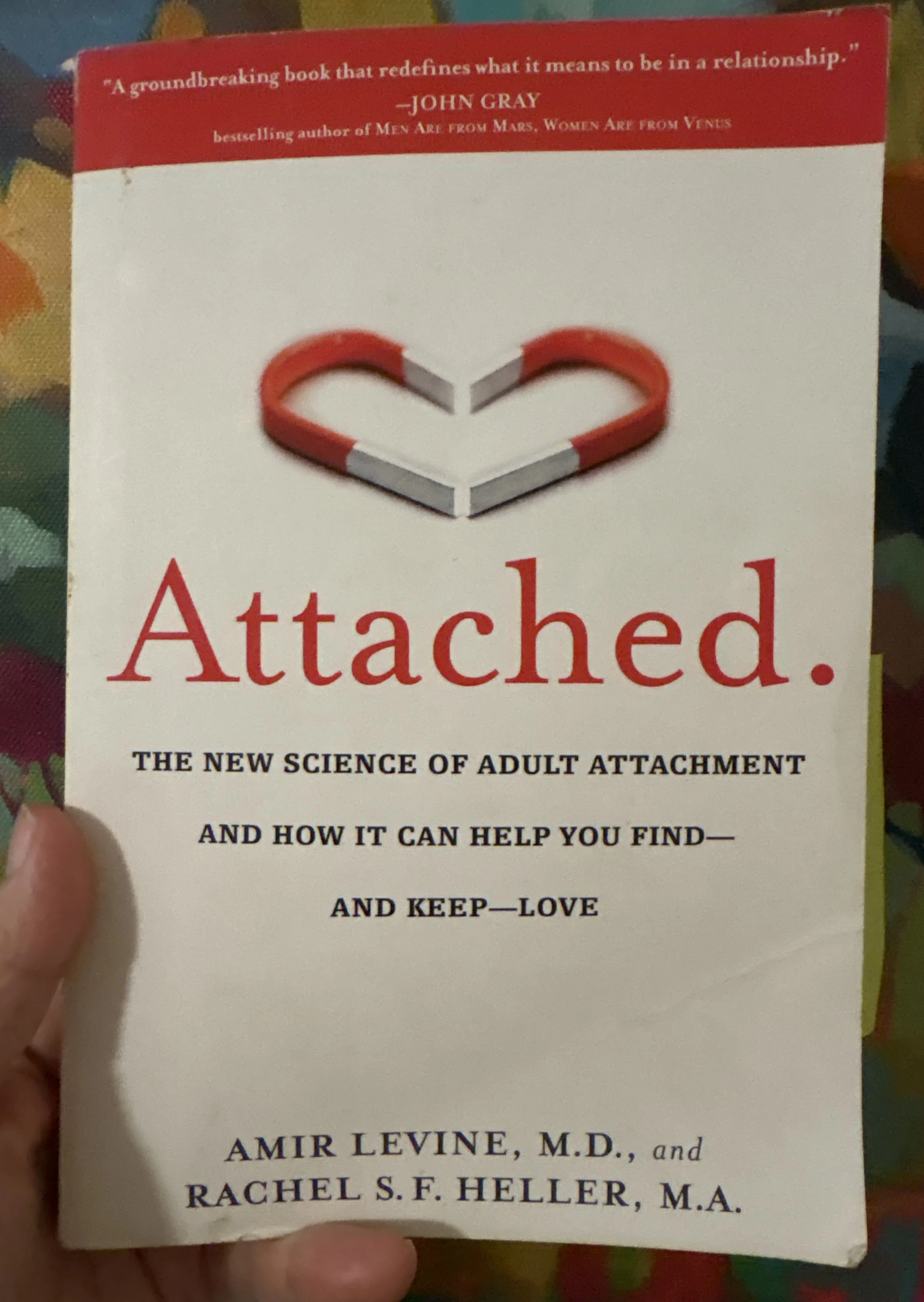
Attached. The New Science of Adult Attachment & How It Can Help You Find - & Keep - Love
by Amir Levine, M.D. & Rachel S. F. Heller, M.A.Why I Recommend It: This book brilliantly deconstructs adult attachment theory, offering a clear roadmap to identify secure, anxious, avoidant, & disorganized styles, to recognize your patterns, those you tend to attach to, and intentionally foster more secure attachment. By understanding these dynamics, you can break frustrating relationship loops and cultivate healthier connections.
Best For: Anyone looking to understand their relationship patterns, break free from insecure traps, and build a more secure, lasting partnership.
My Biggest Takeaway: Science that affirms that we tend to attract and be attracted to those who are about as healthy and secure as we are, making our personal healing the true catalyst for healthier relationships, families and communities.
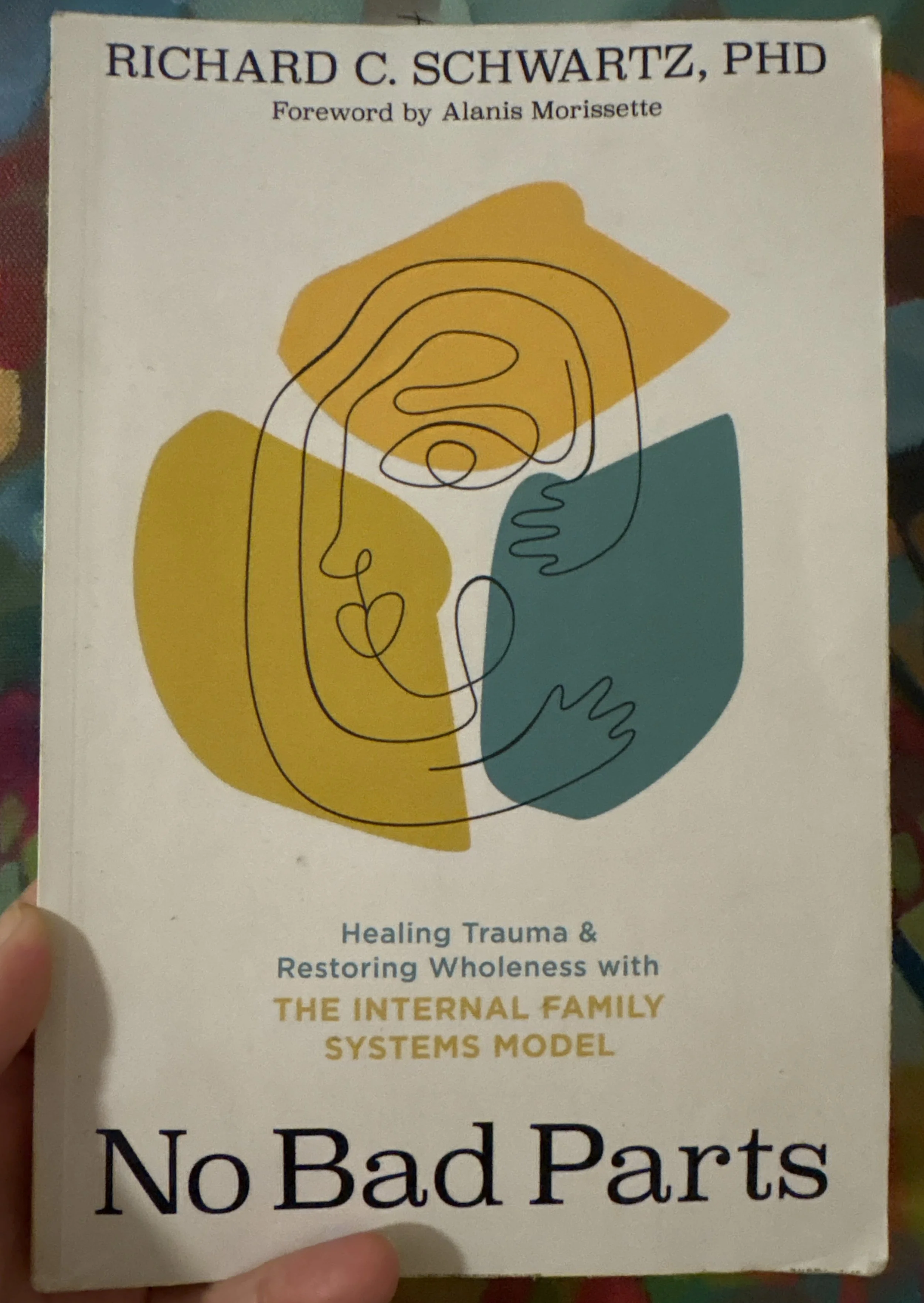
No Bad Parts: Healing Trauma & Restoring Wholeness With The Internal Family Systems Model
by Richard C. Schwartz, PhD.Why I Recommend It: This book serves as a foundational guide to Internal Family Systems (IFS), pioneered by Richard Schwartz. It offers a deeply compassionate way to conceptualize the nervous system by viewing our inner critics, anxieties, and survival strategies not as flaws to eliminate, but as protective "parts" of ourselves. Embracing this parts-work framework allows us to approach healing, growth, and self-regulation from a place of curiosity rather than self-judgment.
Best For: Individuals who struggle with harsh self-criticism, conflicting internal voices, or feelings of being at war with their own behaviors and emotions.
My Biggest Takeaway: Your most challenging internal behaviors are not proof of a broken system, but are well-intentioned, protective parts waiting for a more compassionate way to heal and self-regulate.
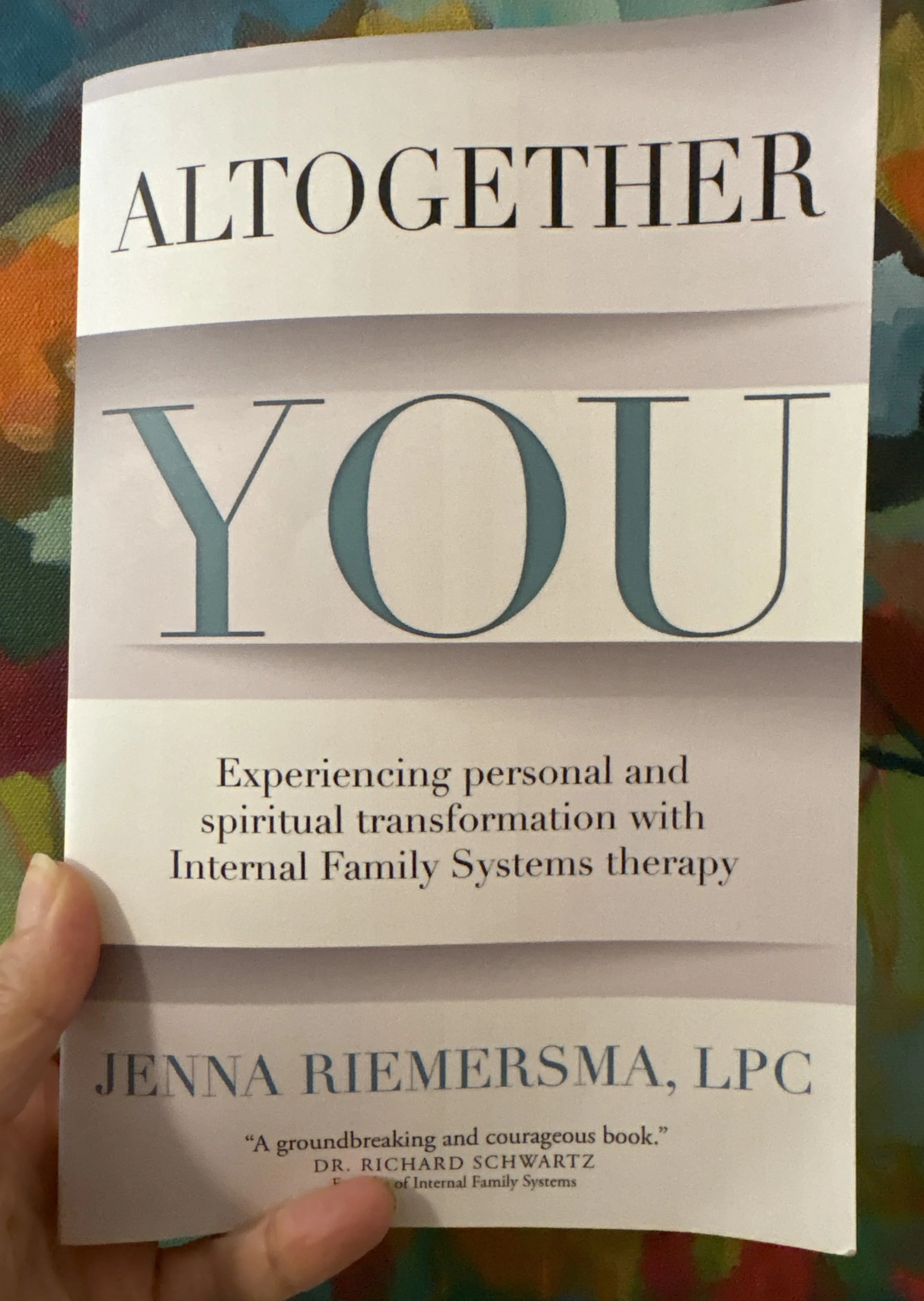
Altogether You: Experiencing Personal & Spiritual Transformation with IFS Therapy
by Jenna Riemersma, LPCWhy I Recommend It: This book offers a groundbreaking integration of Internal Family Systems (IFS) therapy through a Christian lens. It includes a foreward by Richard Schwartz and directly challenges the exhausting, performance-based belief that we must earn our way into connection or sanctification with “God out there”. By exploring how we are made in God's image yet fractured by sin, it shifts the healing journey from a framework of striving to one of reconnection.
Best For: Those who want to experience spiritual and personal transformation, particularly those weary of "trying harder" to feel close to God and who they were created to be.
My Biggest Takeaway: Healing is not about earning God’s presence, but about relying on Christ and the Holy Spirit to help us unblend the wounded, protective parts of ourselves that block the divine connection already created within us.
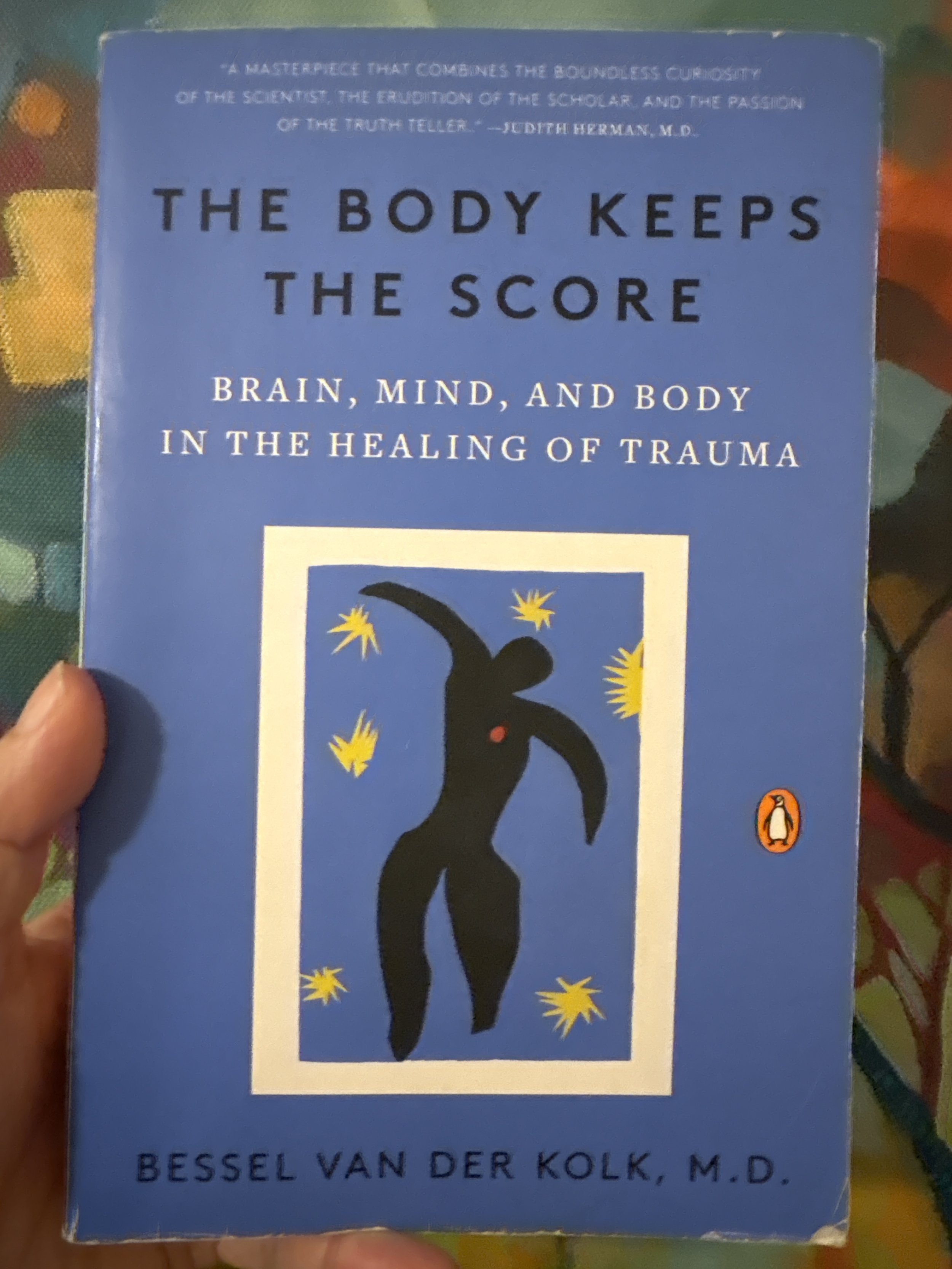
The Body Keeps the Score: Brain, Mind & Body in the Healing of Trauma
by Bessel van der Kolk, M.D.Why I Recommend It: This book was groundbreaking in revealing the full system impact of traumatic experience through post 9/11 trauma recovery research. Traditional talk therapy generally focuses on challenging thoughts and changing behaviors. Trauma informed care and healing also involves attention to the whole system including the physical impact and instinct of the body.
Best For: Those looking for a more clinical understanding of the mind-body connection and the role of body work in recovery.
My Biggest Takeaway: The origin of trauma was a full system experience. Likewise, recovery requires us to attend to our physical bodies as well.